|
|
||
Tuesday, 12 Apr 2005
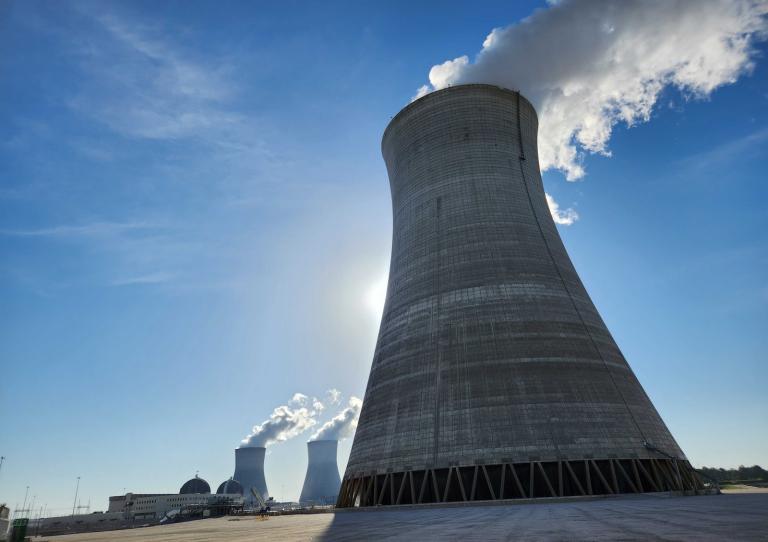
Encyclopedia Brown and the Case of the Missing WasteLike absentminded professors, nuclear plants misplace their wasteA comprehensive new report from the nonpartisan Government Accountability Office reveals pervasive problems in the nuclear industry, abetted by lax federal regulation. You know all that waste nuclear plants produce, the stuff that stays radioactive for a kajillion years? Yeah, well, seems they keep losing track of it. The Nuclear Regulatory Commission has not issued clear guidelines for tracking waste, said the report, and the plants themselves have a variety of not-particularly-reliable methods. In many cases, the NRC was unable to confirm that spent fuel rods were where the plants said they were, and at least three plants may have lost some rods entirely. However, says NRC spokesflack Beth Hayden, just because radioactive waste is lying around unaccounted for is no reason to go rushing about fixing things: "When we are dealing with nuclear safety and security, we need to move in a very careful and deliberate way."
NEW IN GRIST
The most troubling thing about the prospect of oil drilling in the Arctic National Wildlife Refuge isn't the despoliation of a pristine tundra landscape, argues law professor Robert Fischman. It's that such drilling threatens to undermine protections for the whole national system of wildlife refuges, 95 million protected acres dotted from Florida to Hawaii, from Arizona to Alaska, providing habitat for more than 250 threatened and endangered species.No Refuge Is an IslandDrilling in Arctic could set dangerous precedent for U.S. refuge system
Do the Riot ThingChemical factory pollution sparks riot in eastern ChinaThousands of farmers rioted in a village in eastern China over the weekend, taking a stand against encroachment of the country's fast-growing industries onto their land, and the pollution and health problems that result. Villagers had set up roadblocks to interfere with deliveries to and from the 13 chemical plants in the area that now sit on what used to be cropland. When some 3,000 police were sent to remove the roadblocks and restore production at the plants, villagers rioted, smashing buses, overturning cars, and attacking the police. Farmers and other locals say the factories -- which produce fertilizers, pesticides, and dyes -- damage their crops, foul their water, and periodically release clouds of stinging gas, causing birth defects and stillborn babies. Said one villager, "I'm afraid my children won't live to reach my age. I want my land back, I want my food back, and I want my water back."Platform ShoosAbandoned oil rigs host thriving ecosystems, stir debateDiscovery of thriving ecosystems on some abandoned oil platforms in the Gulf of Mexico is refueling a debate over what to do with old rigs once their oil-drilling life is over. Some conservationists have been advocating a "Rigs to Reefs" program whereby old platforms are tipped over, cut down below the water's surface, or towed away and sunk, creating artificial reefs for a variety of marine life below the surface. Others, like biologist Paul Sammarco, who's found abundant ecosystems on more than a dozen of the gulf's 4,000 still-standing rigs, are advocating for leaving platforms where they are so the unlikely communities of fish and rare corals found there can continue to flourish. Oil companies, of course, think that plan sounds just grand. Disposing of old platforms now costs them up to $400 million a year. And with 150 to 200 rigs projected to be abandoned annually in the next 10 to 15 years, an estimated $10 billion is at stake.The VentilatorWashington state law calls for new public buildings to be greenWashington state will be the first in the nation to require new public buildings to meet green building standards, thanks to a bill signed last week by Gov. Christine Gregoire (D) at Washington Middle School in Olympia. Said school is due for a remodel that will meet the standards, set by the U.S. Green Building Council, by incorporating new fixtures and thoughtful design to reduce water usage, optimize natural ventilation, and cut down on the need for artificial lighting. State officials say green buildings could save public agencies some 20 percent in water costs and 25 percent in energy costs. They also estimate that green schools and offices could result in a 15 percent reduction in absenteeism and up to a 26 percent spike in test scores, in part because increased natural light and ventilation are thought to reduce sick days. Says Washington Middle School eighth-grader Ian Lindgren, "If somehow a building could raise test scores, that would be cool." Indeed. |
Also in Grist
The Week's Most Popular
From the Archives
Johnson Pulls Out, 11 Apr 2005
Coast Busters, 08 Apr 2005
Johnson Blocking, 07 Apr 2005
|
|