Dear Umbra,
I know to avoid PVC, but it’s difficult to know all the places it lurks. Is all vinyl PVC, or are there PVC-free vinyls? What options are there for waterproof but PVC-free materials (I have children who wet the bed and spill, and I would like to protect my mattresses and wood table)? I have tried asking merchants whether certain products contain PVC, but they are clueless. Why can’t PVC be clearly marked? And are there any alternatives? Thanks for any information.
Kara
Folsom, Calif.
Dearest Kara,
Good for you for thinking about this issue. You’ve given me a chance to revisit my favorite sayings: “No vinyl, that’s final” and “No PVC for me.”
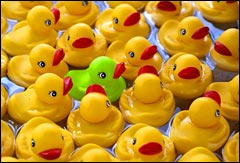
PVC shows up where you’d least expect
it — but there are alternatives.
Photo: iStockphoto
I’m not surprised that your head has gotten a bit twisted. When it comes to harmful chemicals, there’s a lot to absorb. (Ha.) If one were prone to negative thinking, one might wonder if the PVC industry purposefully makes things confusing so consumers will just give up and buy what they’re used to. But not us! We’re going to think positive. First, let’s look at your question about what PVC is and where it lurks. Then we’ll look at some alternatives.
PVC, or polyvinyl chloride, is the fancy name for vinyl, a type of plastic. The version we know today was invented in the 1920s by a man with the delightful name of Waldo Semon. There are other types of vinyl — with handy names like PVA and PVB — but PVC is the most common, and it is what people are generally referring to when they use the word vinyl.
When we think of vinyl, we might think of faux-alligator purses or raincoats or, yes, tablecloths and mattress covers. But it is also used in all manner of other products. Your water pipes and house siding might be made of it. Your computer and refrigerator might contain it. It’s in toys, shower curtains, hospital tubing, peanut butter jars, airplanes, pill bottles, packaging, cars, and fiber optics. In short, it’s tricky to avoid, and it’s also tricky to identify, since, as you point out, there are no labeling requirements.
Why do we want to identify and avoid it? Because its manufacture, use, and disposal involve dioxin, phthalates, lead, and other nasties that can cause cancer, endocrine disruption, endometriosis, birth defects, respiratory problems, and immune system damage. Because the full range of its effects on human health hasn’t been fully determined. And because there are indeed alternatives, including other types of plastic, that are not nearly as damaging to the environment and to our health.
Substitutes for PVC, according to Greenpeace, include clay, glass, wood, bamboo, cotton, ceramics, linoleum, and chlorine-free plastics. The Healthy Building Network also has a list of alternatives for the building industry, which uses some three-quarters of all the PVC our world manufactures. In your case, you could try a rubber or polypropylene cover on the mattress instead of using plastic. For the table, you might not find something waterproof — but you could always use a washable fabric tablecloth. No, that’s not as convenient as wiping down a mess. But all that convenience comes at a cost. (If there are so many spills that wiping is the best option, consider leaving the table bare — wood is surprisingly resilient, you know.)
As you’ve discovered, local clerks may not know much about the products they sell, but store managers and manufacturers should. Try getting in touch with companies, local stores, and your political representatives to let them know that you’re concerned, and that you’ll be changing your shopping habits.
Some companies and industry groups are getting the message from consumers and activists: Microsoft, IKEA, and Nike have agreed to phase out PVC, for instance, and this European industry self-help site suggests there may be hope yet. The more they hear from people who are tired of living with this material, the more they’ll listen.
Inflexibly,
Umbra