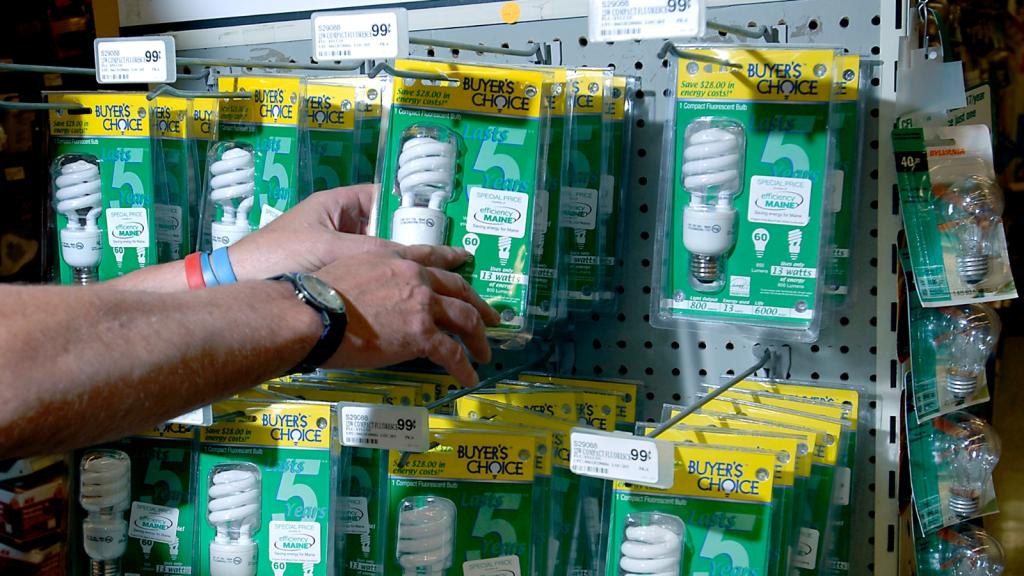
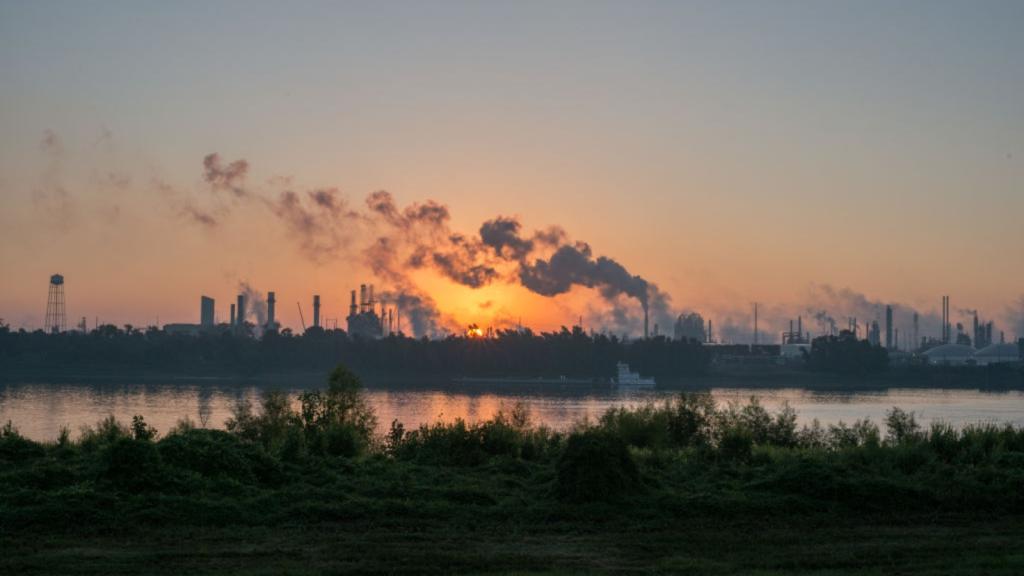
So far the efficiency examples we’ve discussed have been glamorous new technology — electric cars, next-gen light rail. But what may be the oldest mass industrial technology in the U.S. also has huge potential for saving energy: freight trains.
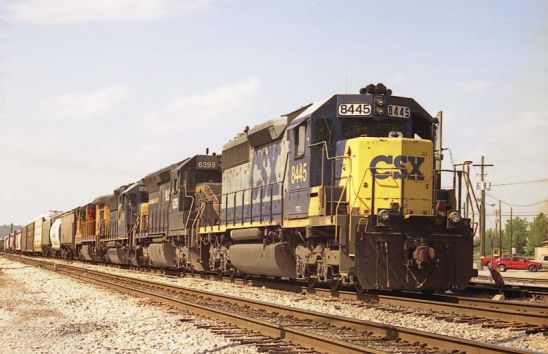
Freight overwhelmingly travels on the ground by two means: truck or train. Trains carry freight with nearly ten times the energy efficiency of trucks per ton/mile (XLS spreadsheet).
Hybrid diesel-electric motors power freight trains. Steel wheels on steel tracks minimize friction compared to trucks, and the ability to hook car after car and carry more freight per locomotive than a truck also provides an energy advantage.
Some freight really is more suitable for trucks, of course. In most cases you need a truck to deliver freight to the commercial or industrial door. And trucks travel more direct routes than train can. But in terms of shipping, most economic advantages trucks have over trains are due to perverse tax and subsidy structures whereby freight trains actually have to help pay for trucks.
Trucking pays fuel taxes, but those don’t cover the cost of truck wear and tear on roads compared to automobiles. Highways and bridges are built to truck standards, requiring much more expense than if they carried cars alone. And highways are not funded entirely by gas taxes — income and property taxes also pay for maintenance and improvements. Rail freight companies pay fuel, property, and income taxes, but they receive almost no infrastructural support in return.
Railroads received an initial subsidy in the form of huge land grants of stolen American Indian land in the 19th century. Since then, rail freight has received almost no government subsidies.
We need to reverse that — make trucks pay their fair share, and put tens of billions per year into rail infrastructure. We need to switch 85% or more of heavy truck freight miles to rail, sending freight only the final 50 miles via truck.
The infrastructure for this is already in place on the trucking end; trucks increasingly use intermodal containers that may be pulled by train part of the way. But rail locomotives, track, and infrastructure are dwindling, so freight is shifting from rail to truck, not the other way around.
We need to fund more locomotives, restore old rusting tracks, and perhaps even build new ones. We need to build new freight yards, so that more destinations have freight stops near them. We need to install new switches, and build new switch yards so that lower cost per mile is not undone by indirect routes requiring more miles between start and destination. We need to bring back the freight train.