New climate report from IPCC will have bad news and worse news
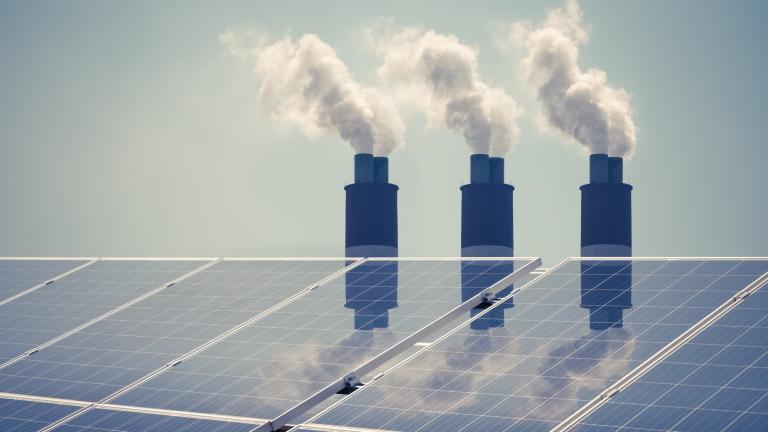
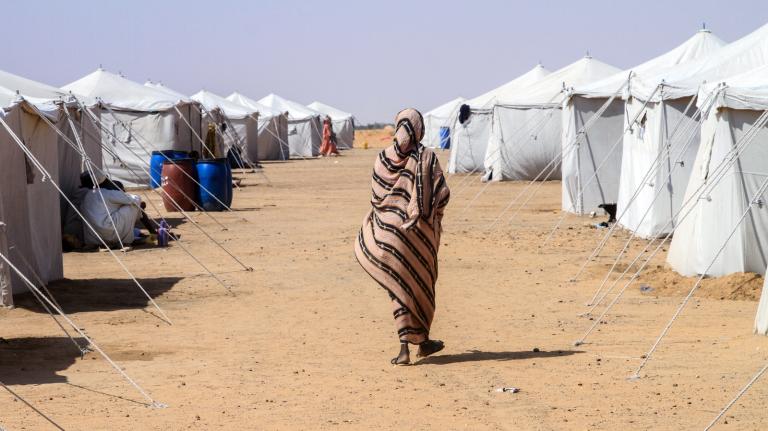
On Friday, a comprehensive new report will map the likely effects of global warming -- and it ain't pretty. The good news is, we can expect higher food production in northern, more affluent regions. Whee! Now the bad news: globally, we can expect increased poverty and starvation, drinking-water shortages, more infectious diseases, flooding, drought, heat waves, melting glaciers, disappearing islands, vanishing species, and the continuing popularity of reality TV. The report is the second of four expected from the Intergovernmental Panel on Climate Change this year. The first, in February -- perhaps you heard about it? -- covered the basic science. The report this Friday is on "Impacts, Adaptation, and Vulnerability." Cheat sheet: we're vulnerable, impacts will be nasty, and we'd better adapt. But don't worry, says one scientist: "The worst stuff is not going to happen because we can't be that stupid." Ha ha! Nothing like a little humor to brighten up some cataclysmically depressing news. In a month, the IPCC will release its report on ways we can battle climate change. Finally.
straight to the source: Scientific American, Reuters, Alister Doyle, 02 Apr 2007
straight to the source: The Boston Globe, Associated Press, Seth Borenstein, 31 Mar 2007
straight to the source: The New York Times, Andrew C. Revkin, 01 Apr 2007
get the backstory in Grist: The 411 on the Intergovernmental Panel on Climate Change
Comments
View as Threaded
geoark Posted 6:06 am
02 Apr 2007
However, if we humans truly are smart and wish to minimize global warming effects -- we must quickly adopt policies as suggested by ecological economists including the "Environmental Tax Shift."
For example, why not shift taxes off work and business production and, instead, charge user fees on the resource extraction of coal and oil. Also, there would be additional charges for emitting CO2 into the atmosphere. This would raise the price of gasoline and energy and encourage conservation and the adoption of resource conserving technology.
Some of the revenue collected by charging carbon fees could be paid into community environmental trusts. From these trusts everyone would be paid an equal citizen's dividend or "Earthshare", which would be allocated to individual retirement, health savings, education, and housing accounts.
The environmental tax shift should receive broad support from business, labor and environmental groups. Of course, resource monopolists might not like it but they never created the coal, oil or air in the first place.
When public officials wake up to the Environmental Tax Shift we will see a major shift towards economic, social, and ecological security.
My question is: why haven't more people heard about the Environmental Tax Shift proposals?
GeoArk
Permalink