
COPENHAGEN — Many of us who are here reading the text drafts, talking to ministers and following the negotiations were a bit surprised to read in the New York Times yesterday that we’re about to close a deal on REDD.
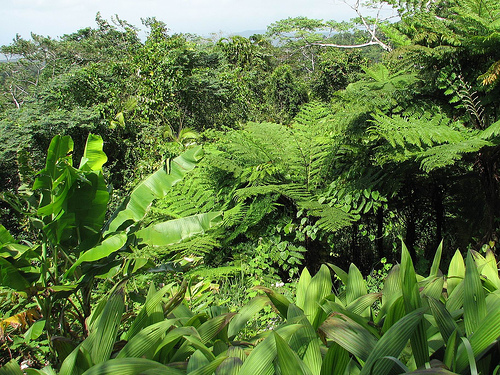
 Vaka0627 via FlickrIt’s true, negotiations have progressed, and balanced-but-far-from-completely-resolved text moved early this morning from delegates to a ministerial level, meaning that we’re moving away from technical bickering to a political fight over big issues that bureaucrats could not resolve on their own.
And what big issues!
Four key aspects of the deal have been left to ministers to negotiate, decisions that could make the difference between a REDD that protects the world’s rainforests and forest peoples rights and a REDD that fails for forests. These issues are the stickiest ones in the negotiations: how REDD will be financed, what it’s official reduction targets are, how important social and environmental safeguards will be implemented, and whether countries will make national level commitments for action.
 Even if these issues are resolved properly, it’s hard to imagine how a REDD deal can happen in the absence of a larger legal agreement of a wider climate deal in which it must be embedded. Many key issues in the REDD text, including what the exact financing mechanism will be, is linked to other parts of the agreement. Moreover, the mandate for REDD is set to expire on Friday at 6pm with the rest of the agreement, so the COP must forward on the Copenhagen agreement for REDD to have any effect.
The discussion around finance and targets are linked, and mirror the divide between developed and developing countries in the larger agreement and goes straight to the heart of what REDD is intended to do. Currently, the world economic system puts a greater value on cutting forests down than keeping them standing. What REDD intends to do is to halt deforestation (and thus the 20 percent of global greenhouse gas emissions that stem from the destruction of the world’s rainforests) by shifting money from developed countries to developing countries. So there’s a trust problem: developed countries want to see money on the table before they commit to a target to reduce deforestation, but developed countries, notably the EU want developing countries to make pledges before they put up the cash. And more fundamentally, developing countries want to see the deep developed country fossil fuel emission targets that are needed to protect the climate in a legally binding framework.
That means that nothing’s decided until everything’s decided.
Everyone here knows that saving forests is important – both in developed and developing countries. But saving forests can’t just become a cover up for the continued use of fossil fuels in developed countries. And developing countries like Indonesia and Brazil understandably don’t want to take steps to reduce their major sources of emissions when the US isn’t doing anything to reduce it’s own emissions.
REDD can’t exist in a vacuum. As I wrote earlier, forests won’t actually survive warming greater than 2 degrees Celcius, but worse, REDD won’t survive a collapsed deal. And right now in Copenhagen, a deal doesn’t seem likely.
Spread the news on what the føck is going on in Copenhagen with friends via email, Facebook, Twitter, or smoke signals.