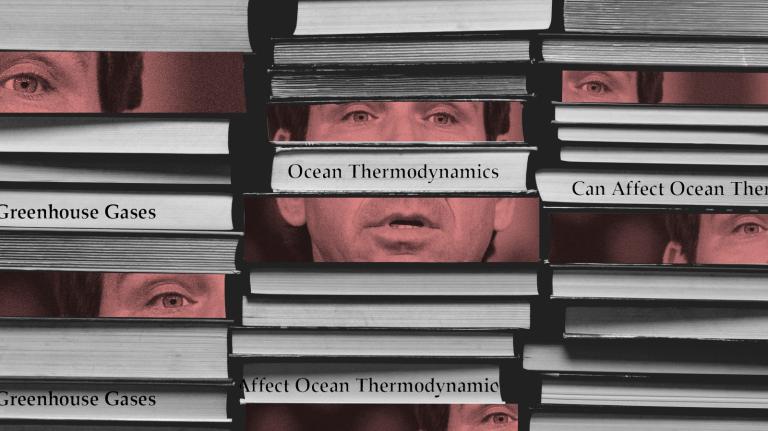
Actually, I think they do. I think Keith Johnson knows quite a bit about energy markets. Which makes this hit job on solar subsidies, published before the Senate considers national renewable energy legislation, so disturbing.
After chronicling the problems of the Spanish solar industry, the article goes on to say:
“Clean-energy skeptics, however, point to Spain as a cautionary tale of a government policy that created a speculative bubble with disastrous consequences. Some Republicans have cited Spain’s solar bubble and bust as an example of how unsustainable government clean-energy pushes are … California and New Jersey, which lead the U.S. in solar power, are among states that have used subsidies similar to the ones in Spain to make solar power more attractive”
This is in fact incorrect.
Spain used a singular policy, a fixed price, standard offer contract known as a feed-in tariff.
California, on the other hand, has several different policy mechanisms, and each one is market-based. They look nothing like Spain at all.
The state’s Renewable Portfolio Standard requires utilities to buy increasing amounts of renewable power through competitive solicitations.
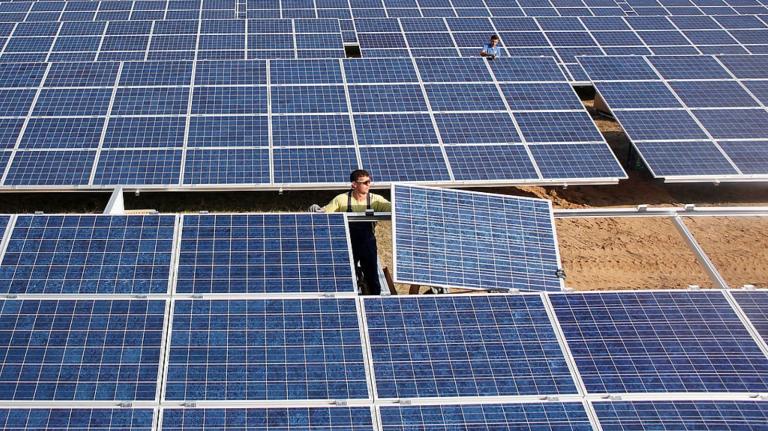
As a result, over 6 GW of contracts for solar electricity have been signed — and most under the price of natural gas.
For example, look at this contract [PDF] with PG&E for 230 MW of photovoltaics with NextLight: under 13 cents kWh (that’s the 20 year levelized cost of energy of a new combined cycle turbine — a natural gas plant).
And another: LADWP and FirstSolar: $120/MWh over 30 years [PDF], with escalation, comes out to about 14+ cents per kWh average. Again — clean energy, cheaper than natural gas. Nothing for the Wall Street Journal to be afraid of here.
California is developing a new market-based feed-in tariff for 1-10 MW installations. This is the perfect program to accelerate new solar development and continue the reduction in prices.
California also has a program to address an entirely different market– customer-owned, customer-sited generation (competing against retail electricity, not wholesale) — called the California Solar Initiative. It has a system of declining rebates that respond to market conditions — the idea is that once the rebates decline to zero, we have a self-sufficient industry that can continue on its own without subsidy.
California’s approach is different than Spain’s, and so are the outcomes. There’s a good story here, and the article missed it.
The Spanish experience demonstrated that the solar industry can ramp up extremely quickly — they did 3 GW in a year. But in chronicling some of its problems, the Wall Street Journal owes its readers a more accurate assessment of market designs and outcomes.
Solar is getting cheap — cheaper than fossil fuel alternatives — and Congress has nothing to fear by getting aggressive on clean energy. It’s an economic opportunity, not burden.
In fact, next week I’m going to DC to deliver that message directly. If you are in town, please join these informal Hill briefings, and bring your favorite Congressional staff.
House of Representatives, sponsored by Represenatives Giffords, Israel, and Bono Mack:
Tuesday, September 8, 2009
2:30 – 4:30 p.m.
2168 Rayburn House Office Building
RSVP here.
Senate, sponsored by Senator Reid
Thursday, September 10, 2009
1-2 p.m.
Capitol Visitors Center, Room 200 (Senate Side)
RSVP here.
Maybe the Wall Street Journal will show up. Can somebody call George Will, too?