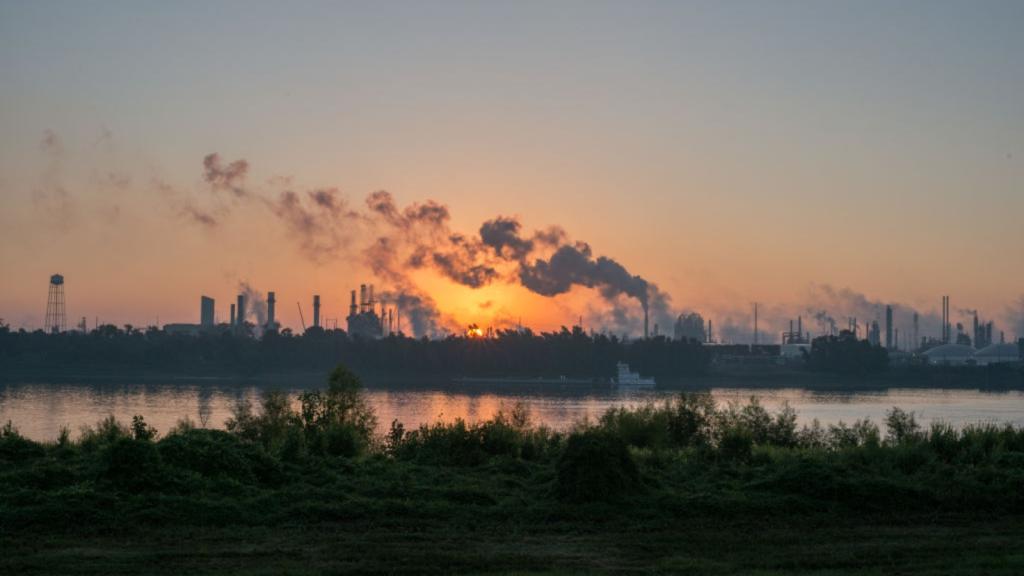
Spoleto, Umbria — When President Barack Obama trundled into the bel paese of Italy for the G8 gathering last month, some of my neighbors in the verdant hills of Umbria were surprised to learn about their country’s small (12 percent roughly) but lingering dependence on coal-fired plants. Draping banners down four coal-fired towers of carbon emissions that week, Greenpeace reminded the European gathering — and President Obama — of the inconvenient reality of coal. Coal mining in Italy is considered a relic of yesteryear. Only a few miles from this Umbrian hilltown, the last smoldering lignite mine closed a couple of decades ago after a series of fatal accidents, and with it went the haze of sulfuric acid, mercury, lead and fly ash that cloaked much of Europe.
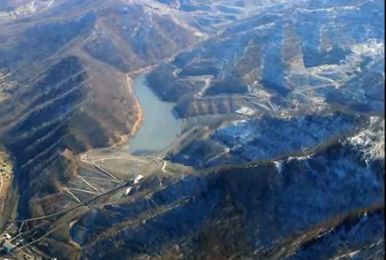
But, the greatest surprise — sheer disbelief — for my neighbors in Italy’s protected Umbrian range was reserved for our own American style of Big Coal-gone-wild — that federally sanctioned process of mountaintop removal mining that has laid waste to over a million acres of our nation’s most diverse and ancient mountains in Appalachia, in order to produce less than 5-7 percent of national coal production.
Blowing up your mountains? The Italians asked again. How is that possible under President Obama?
It’s hard for any foreigner to believe that President Obama has quietly acquiesced to the marketing and machinations of Big Coal, and allows millions of pounds of ammonium nitrate/fuel oil explosives to rip across our nation’s first frontier, topple hundreds of mountains, and ruin and displace historic mountain communities — that would have easily been granted regional protection by the United Nations or the European Community.
In fact, when I describe the process of mountaintop removal, and its 38-year reign of terror in Appalachia, no one believes me, so I am compelled to pull out my laptop and show them pictures and videos, including the creative work from Chicago’s environmental-artist collective called Topless America.
:
And here’s a trailer for the forthcoming film documentary, On Coal River, that expertly details the human costs of “minimizing adverse environmental impacts,” as the Obama administration likes to say, of mountaintop removal.
Last month in the west country of Ireland, I chatted in a pub with a shopkeeper from County Roscommon. We shared stories of our grandfathers, both of whom were coal miners. After telling me about Ireland’s plans for off-shore wind turbines and other renewable energy projects outside Galway, the shopkeeper urged me to go and visit the Arigna Coal Mine in Derreenavoggy, County Roscommon. His grandfather had worked in the underground mine there; my grandfather worked in various underground mines in southern Illinois.
The Arigna mine is part of the Miners Way Historical Trail, which treks along the gorgeous hills and valleys of Arigna. Closed in 1990, after being mined underground for 400 years, the Arigna mine–the last working coal mine in Ireland — has been turned into a heritage site. The shopkeeper raved about the natural beauty of the area — his own “little Appalachia,” he claimed. He told me to take a hike after I visited the museum. As the coal mine brochure hailed, “Arigna is situated in a picturesque valley with breathtaking scenery and unspoiled landscape.” Unspoiled landscape.
My grandparent’s 150-year-old ancestral homestead in the Shawnee National Forest in southern Illinois was strip mined 10 years ago this month and has been turned into a leveled graveyard of foreign grasslands.
Over 1.5 million acres of hardwood deciduous forests, and over 500 mountains that would have been celebrated as a national park in any other region in the world, have been wiped out in Appalachia from mountaintop removal, the devastated ruins flatted into monuments of destruction. I told the Irish shopkeeper he needed to visit Appalachia to believe it.